


Luxury quality • Conscious design • Made differently
At HYER GOODS, we create sustainable Italian leather handbags using high-quality deadstock materials left over from luxury fashion houses. We believe great design doesn’t need to come at the planet’s expense — and that sustainability and luxury should coexist.
This is how we do it.

What is deadstock leather?
Every leather item we make starts with deadstock luxury leathers. Deadstock leather refers to leather left over from manufacturers after production runs are complete. Because leather is a natural material, prone to imperfections like stretch marks and tick bites, 12-15% of a production run can be wasted during the production and manufacturing process.
Traditionally, these materials risk being discarded or destroyed.
Where others see waste, we see opportunity.
Instead of producing new leather, we source this luxury production waste as well as brand leftovers at the end of the season, and transform it into sustainable leather handbags made in small batches in Italy. The result is the same high-grade material used by luxury brands — without the additional resource extraction.
It’s a smarter way to create modern luxury.
Why Luxury Deadstock Leather Is Better Than Producing New Leather
Not all leather is created equal.
Luxury houses work with top-tier tanneries and select higher-grade hides with stricter finishing standards. The material is more supple, more durable, and designed to age beautifully.
By using luxury deadstock leather:
• We preserve exceptional craftsmanship already invested in the material.
• We avoid the environmental impact of producing new leather.
• We reduce unnecessary waste in the fashion system.
The quality already exists. We simply give it a second life.
This approach allows us to create Italian leather handbags that meet luxury standards — without contributing to overproduction.

Designed to last
Sustainability is not only about materials. It’s about longevity.
Each HYER GOODS piece is designed with intention: clean lines, versatile silhouettes, and proportions that work season after season. We focus on creating wardrobe staples — bags you reach for daily, not just occasionally.
Durability is built into every step:
•Premium leather selected for structure and wear
•Reinforced construction
•Small-batch production with rigorous quality control
A bag designed to last decades is more responsible than one designed for a season.
Longevity is luxury.
Crafted in Italy, Close to the Source
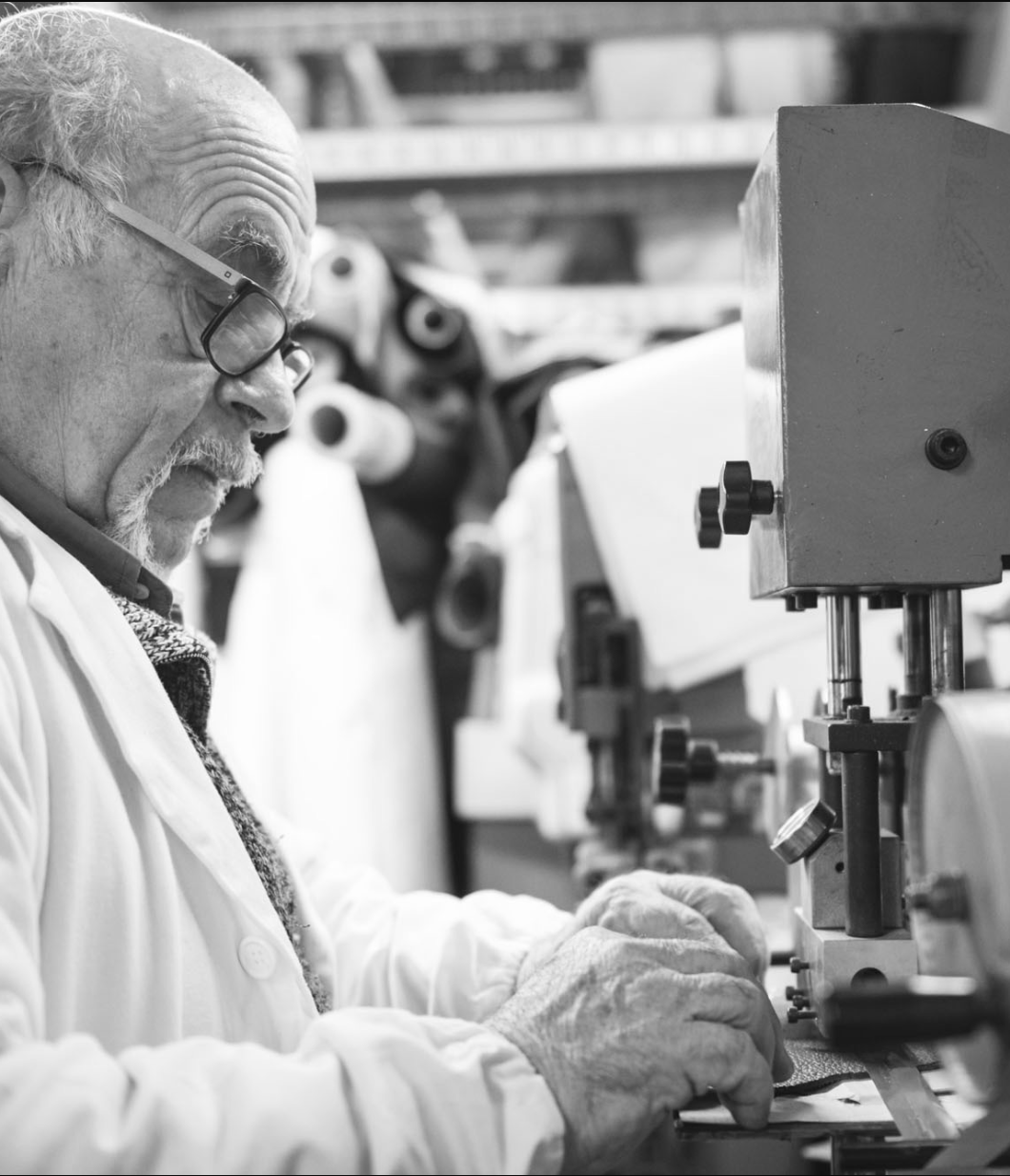
Our bags are made in Italy using the same network of tanneries and family-owned factories that support many of the world’s most respected fashion houses. Italy is known for some of the world’s most rigorous leather production standards and generations of artisanal expertise.
Because we source our deadstock leather near where our goods are manufactured, we reduce unnecessary transportation and maintain close oversight of quality. Small-batch production allows us to: • Minimize excess inventory • Maintain high craftsmanship standards • Create limited-edition pieces using available materials Every bag reflects thoughtful sourcing, skilled artisanship, and a more responsible production model.

Why We Choose Real Leather Over Plastic-Based Alternatives
As long as leather exists as a by-product of the food industry, we believe it is more responsible to use it than to create new petroleum-based materials.
Many vegan leathers on the market today contain significant amounts of plastic binders. While innovation in alternative materials is promising, most commercially available options rely heavily on synthetic components that do not wear well and do not biodegrade easily.
Leather, when well made and well cared for:
• Is exceptionally durable
• Can last decades
• Can be repaired, resold, and reused
We prioritize longevity and material honesty over short-term trends.
For us, sustainability means choosing materials that endure.
Designed for Longevity: Keeping Leather in Circulation
The fashion industry loses a significant percentage of materials after initial use. We believe design responsibility doesn’t end at purchase.
That’s why we focus on:
• Timeless design over trend cycles
• Durable construction
• Care education
• Small-batch production
• Opportunities for resale and extended use
By creating high-quality leather goods from luxury leftovers — and encouraging long-term ownership — we help keep valuable materials in circulation for as long as possible. When possible, we encourage repair, resale, and extended ownership through our Pre-Loved Program— because the most sustainable product is the one that stays in use.
Modern luxury should be built to last.

FAQs
Deadstock leather is considered more sustainable because it repurposes existing luxury materials rather than requiring new production. This reduces waste and avoids additional resource extraction.
Our goal is to minimize waste not only with our products, but with our packaging as well.
Our bags and small leather goods ship in reusable 100% cotton dust bags, sometimes wrapped in 100% recycled tissue paper. Our shipping boxes and envelopes are made of paper and can be recycled in most curbside programs. Knitwear ships in FSC-certified paper bags, also recyclable curbside in most areas. All products ship without plastic, except white and suede bags. We add a polybag to those to protect them from stains in transit, and you can recycle it at store drop-off points.
Yes. Since 2024, our Italian leather handbags have been crafted in small batches in Italy using premium deadstock materials sourced near our manufacturing partners.
All of our leather bags are crafted in Italy from locally sourced luxury leftover leathers, while our knitwear is made locally in NYC, utilizing locally sourced luxury leftover yarns of Italian origin.
While all materials have environmental impact, leather is a by-product of the food industry and can last for decades when properly cared for. Many vegan leathers currently available contain plastic-based components that may not wear or degrade well over time. Even bio-based leathers like mushroom leather, cactus leather and pineapple leather contain plastic binders and backers.
Because we work with available deadstock materials, quantities are naturally limited. This allows us to reduce overproduction while creating distinctive, small-batch designs.